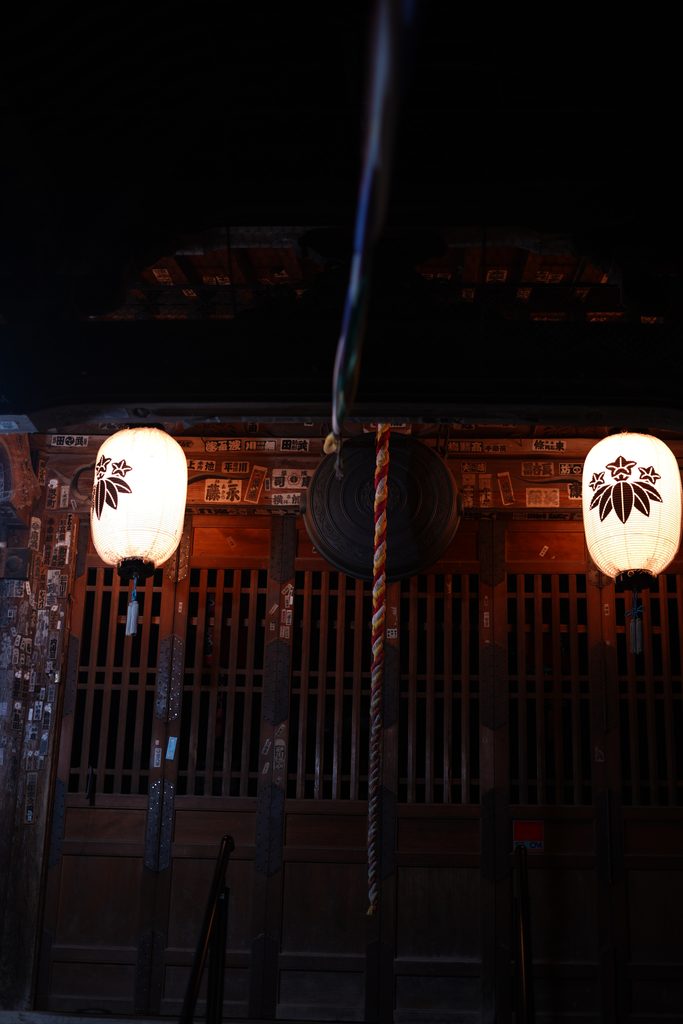
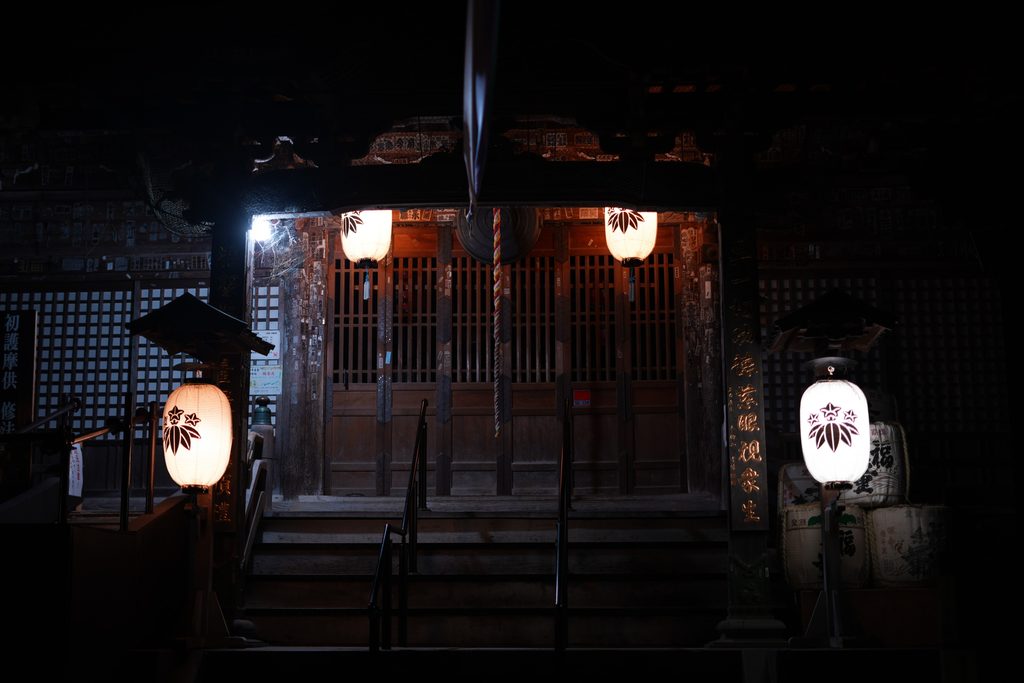
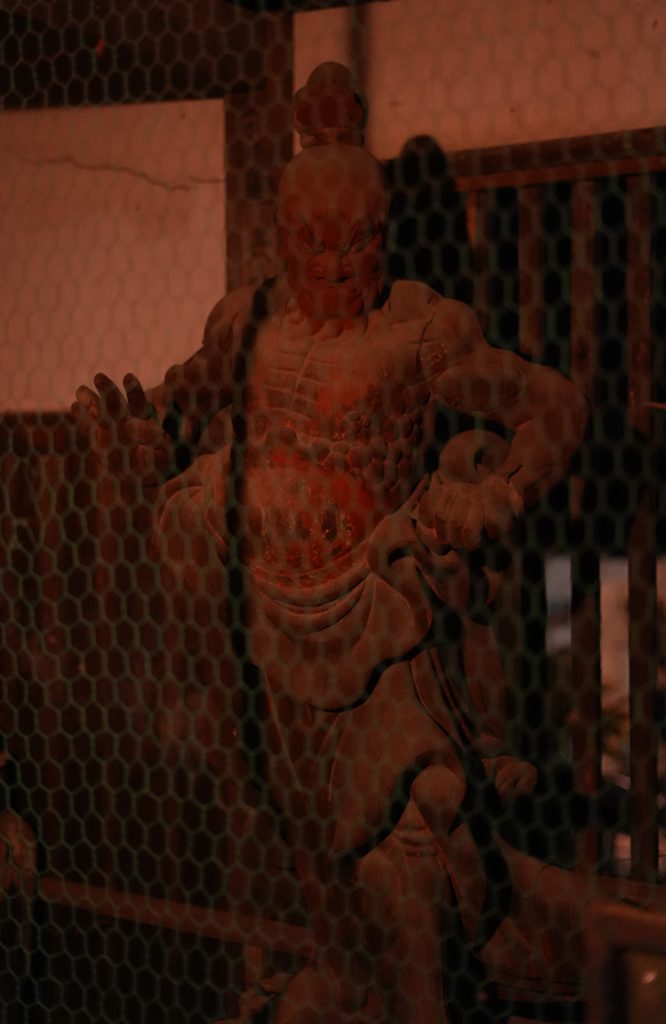
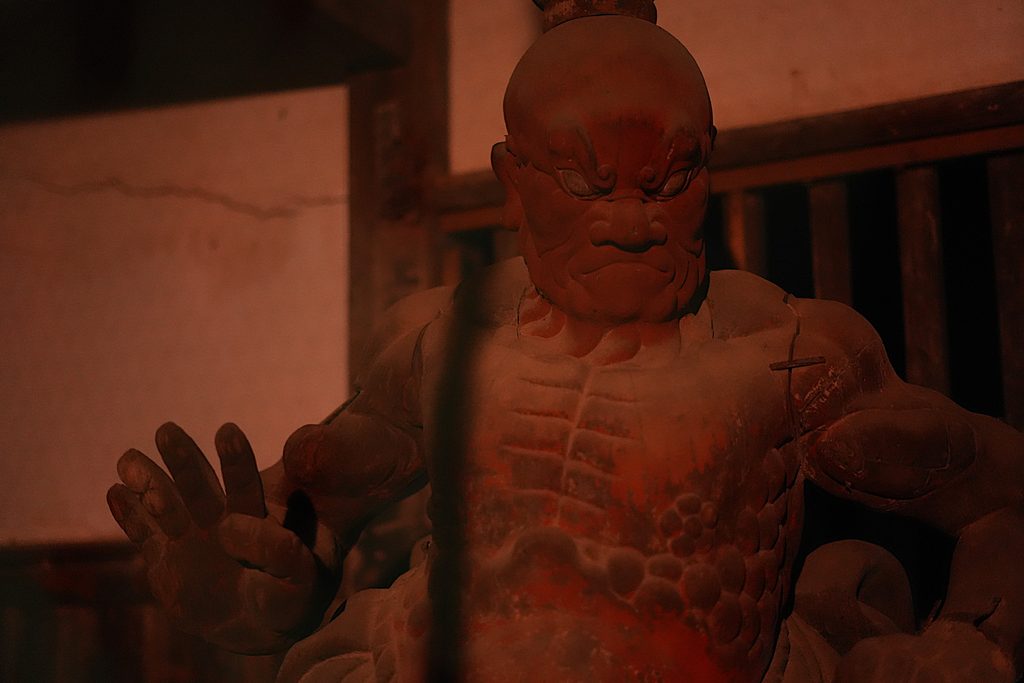
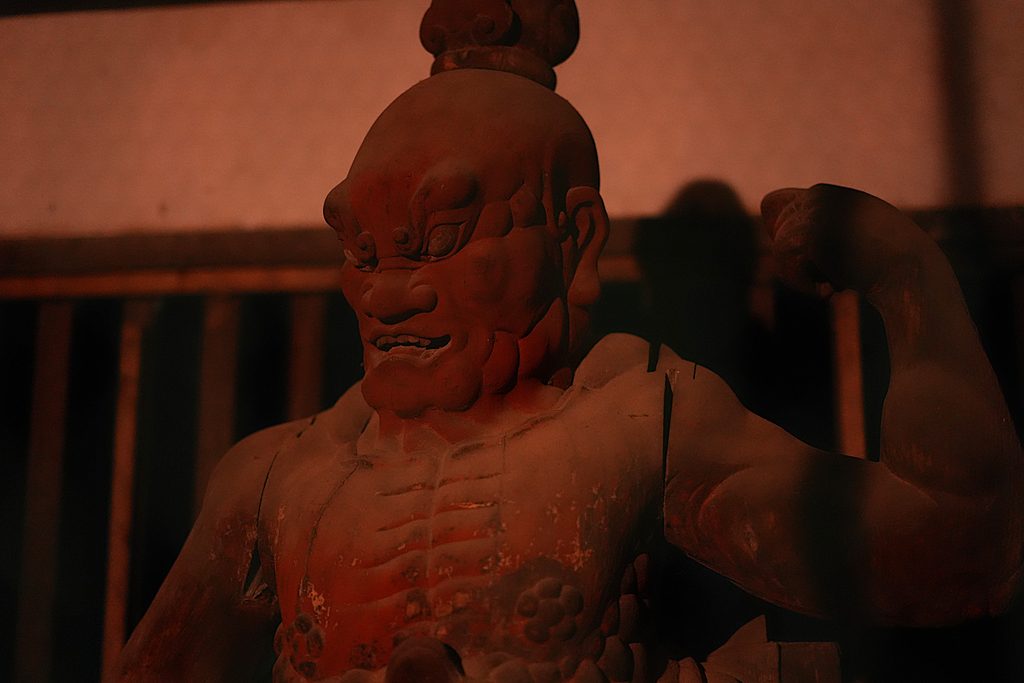
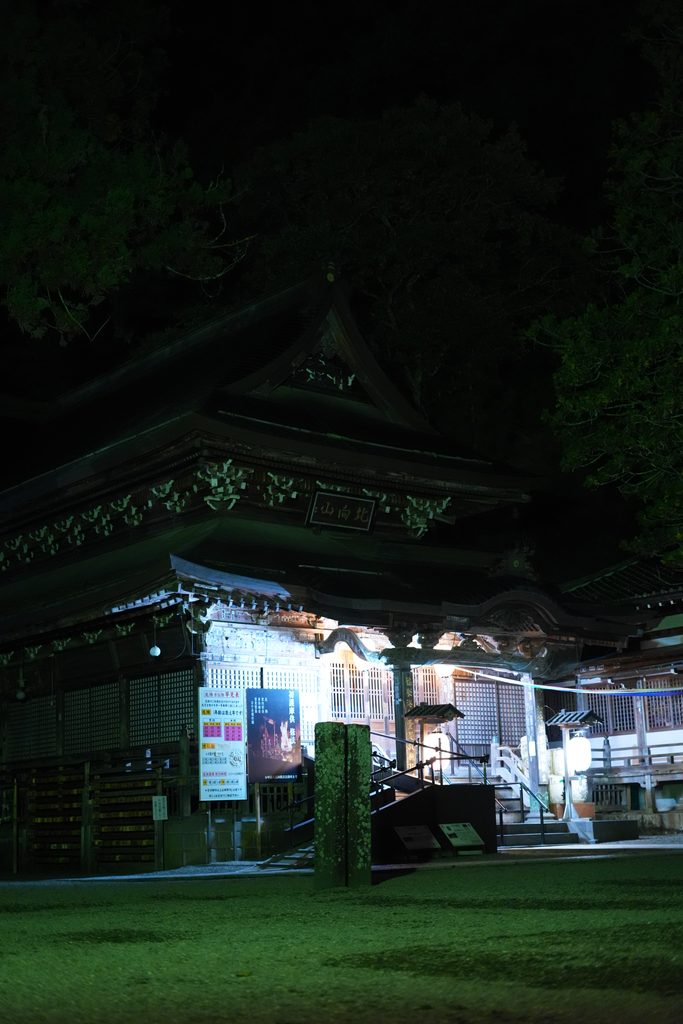
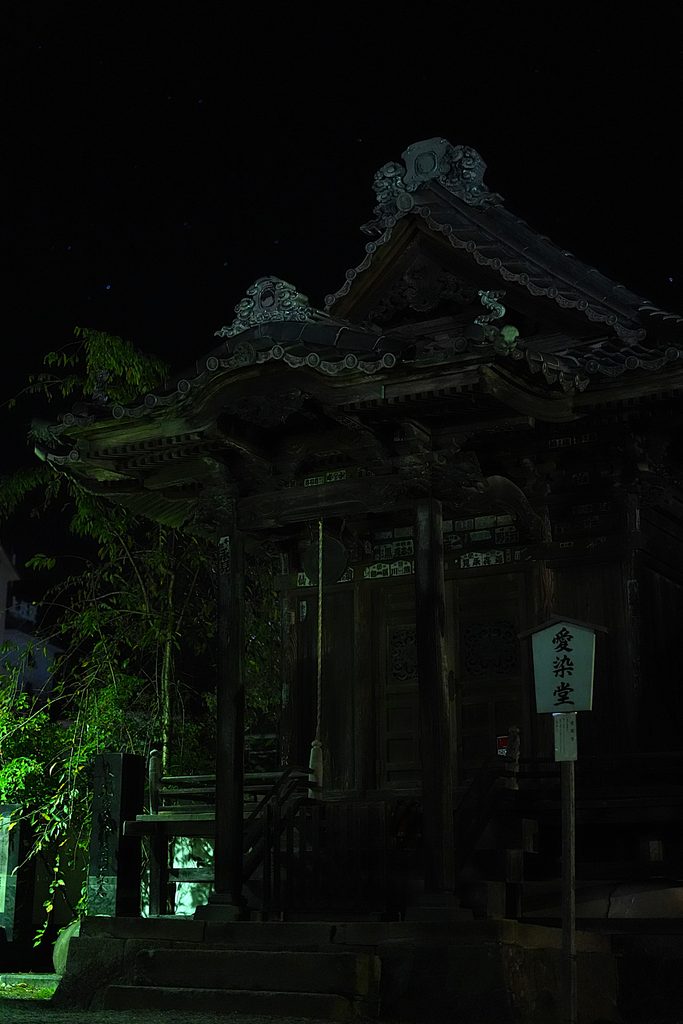
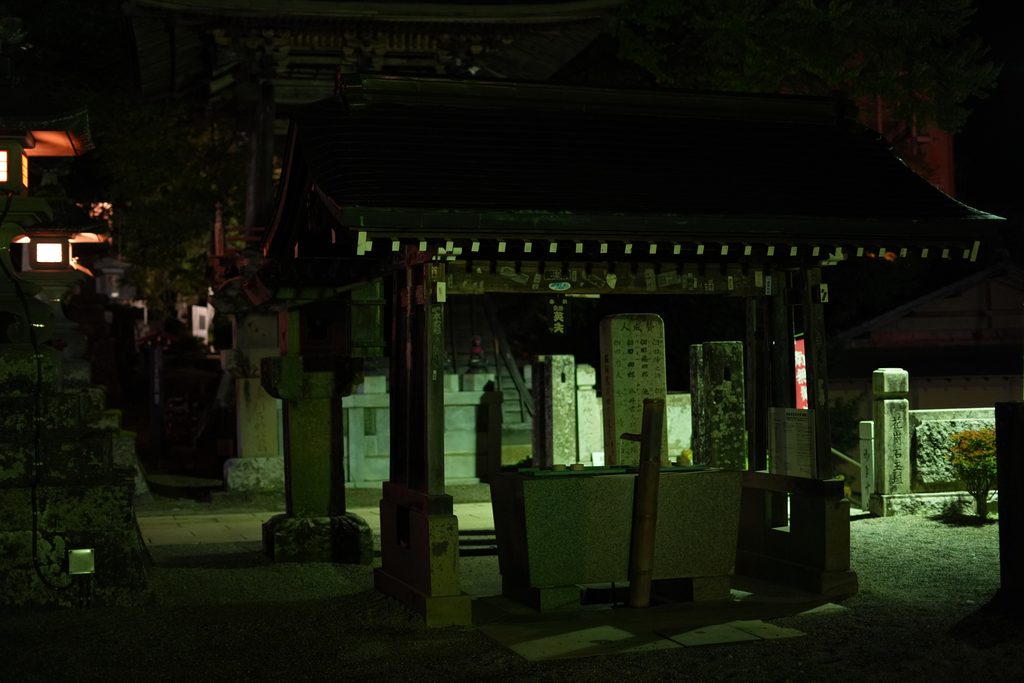
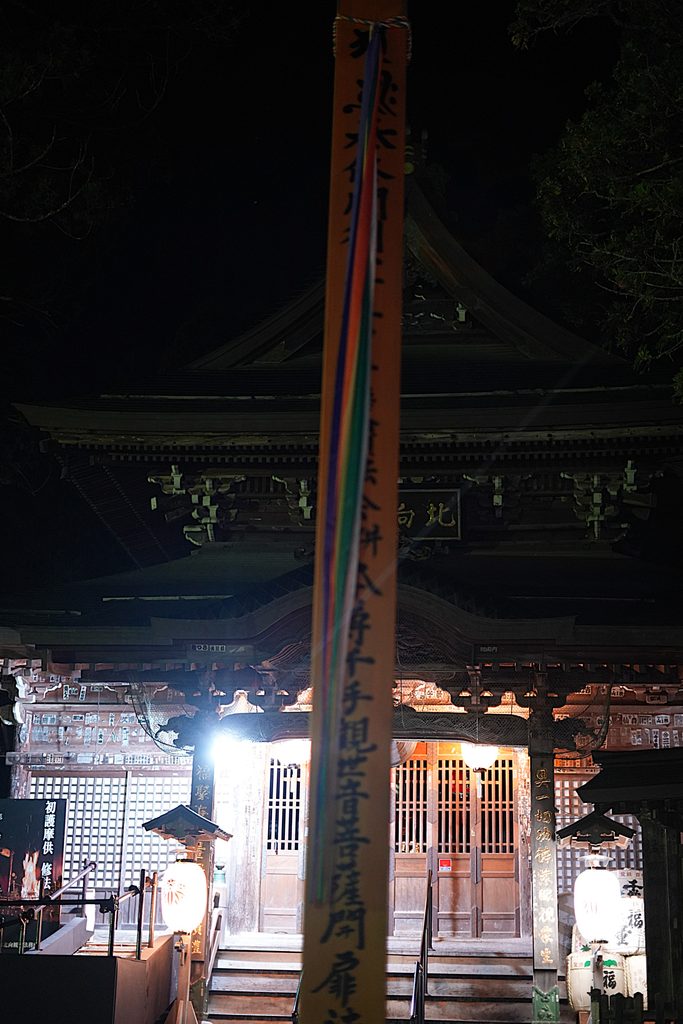
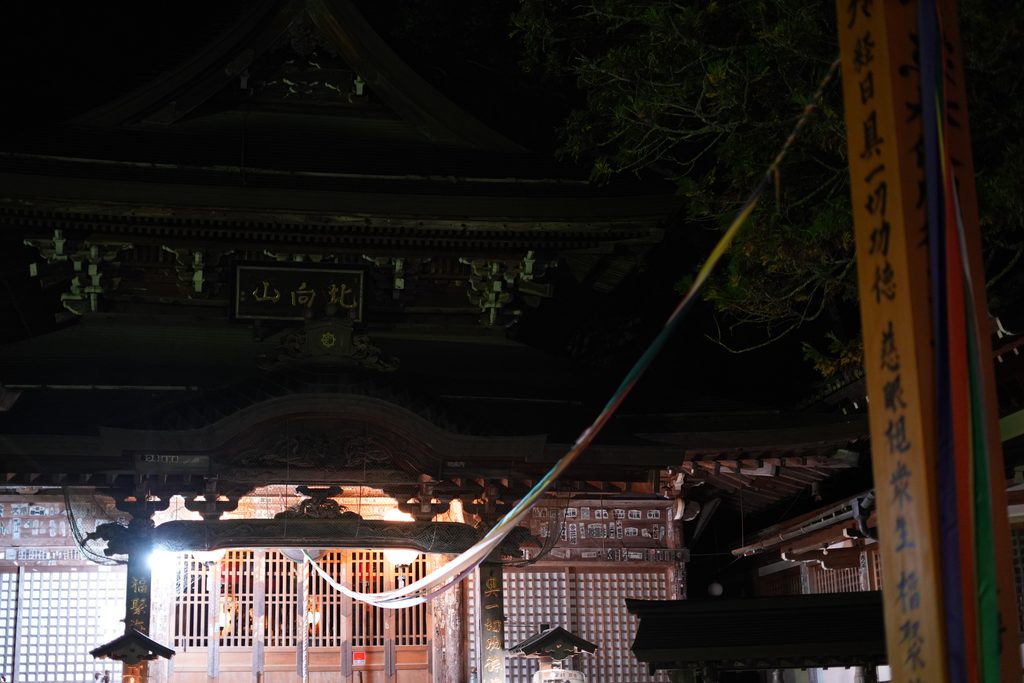
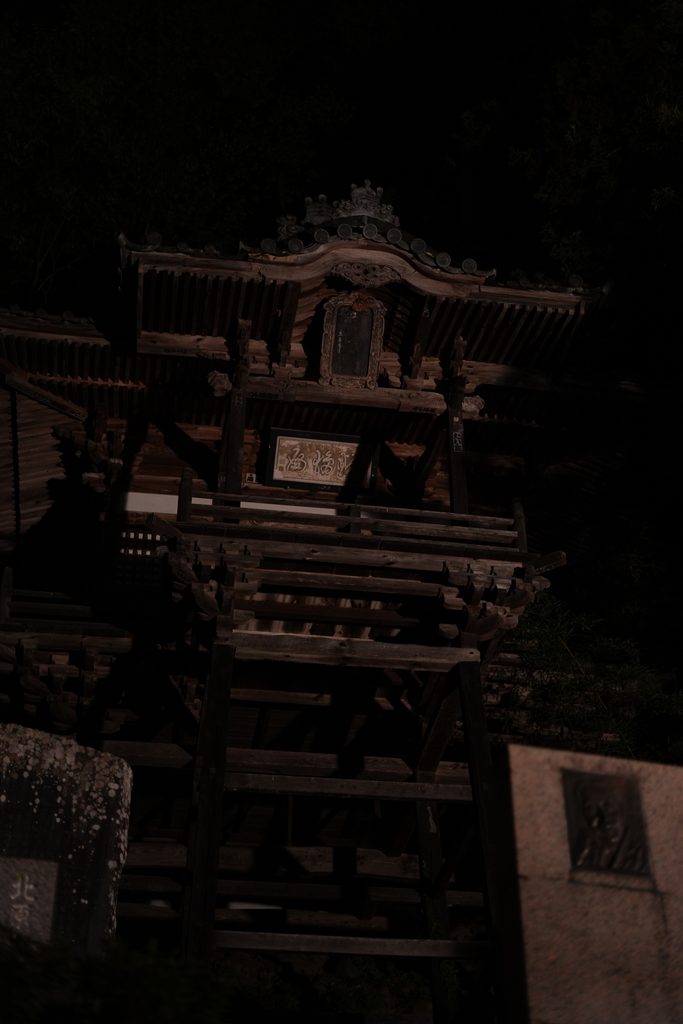
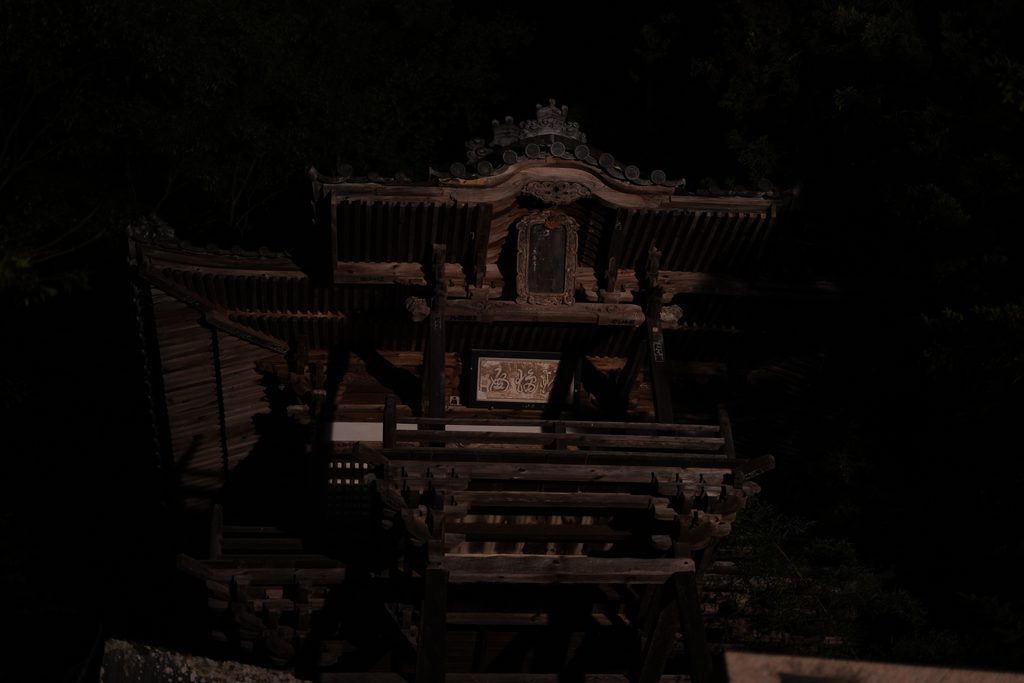
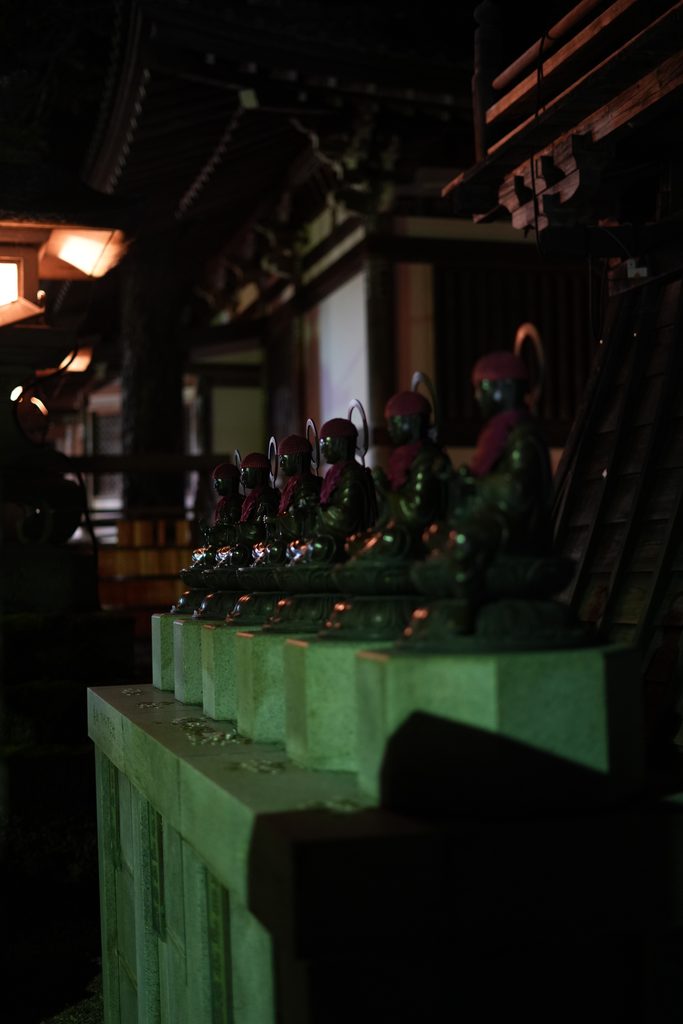
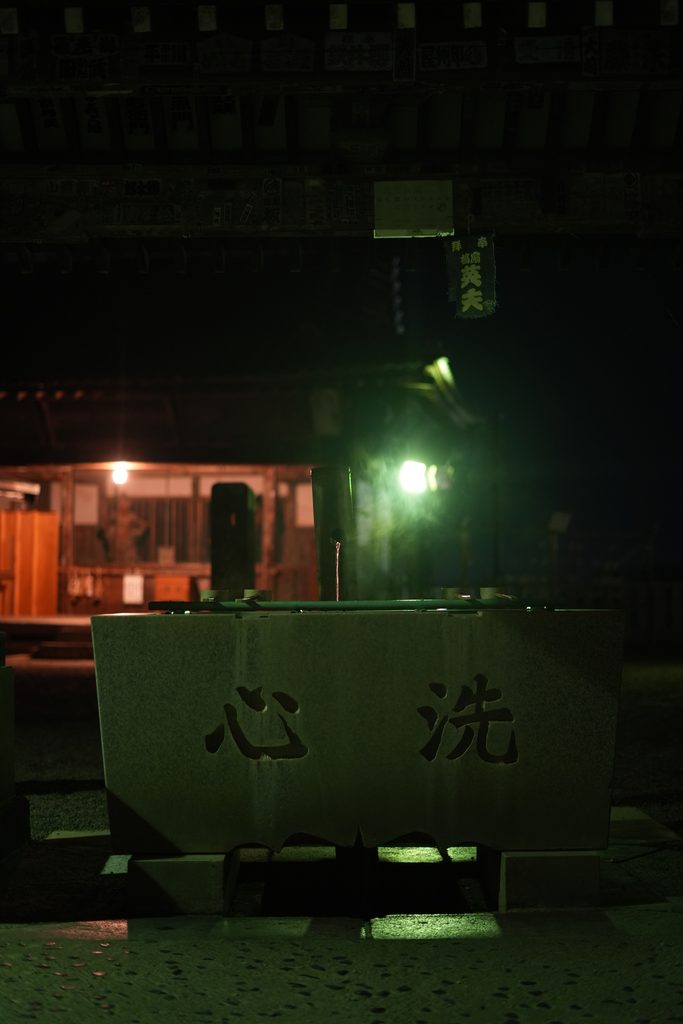
信州を代表するふたつの名刹、「善光寺」と「北向観音」。日本でも珍しく本堂が北を向く北向観音は「現世利益(今の幸せ)」を千手観音に祈り、南を向く善光寺は「未来往生(来世の幸せ)」を阿弥陀如来に願います。向き合うように建つこのふたつは、片方だけ参拝すると「片詣り」になるとされ、両方をお詣りすることで「現在」と「未来」両方の幸せが叶うと古くから信仰されてきました。
また、北向観音には平安時代の「紅葉狩(もみじがり)伝説」も伝わります。平維茂(たいらのこれもち)は鬼女・紅葉の退治を命じられますが、強力な妖術に阻まれ苦戦を強いられます。そこで維茂は北向観音に17日間参籠して祈りを捧げ、授かった「降魔の剣」で見事鬼退治を果たしました。信州を訪れた際は、ぜひ歴史と伝説が息づく善光寺と北向観音を「両参り」し、過去から現在、そして未来へと続くご利益を授かってみてはいかがでしょうか。
Zenko-ji and Kitamuki Kannon: A Paired Pilgrimage & Legend of the Demoness
Shinshu (Nagano) is home to two famous temples: Zenko-ji and Kitamuki Kannon. Unusually for Japan, Kitamuki Kannon faces north, where travelers pray to Senju Kannon for happiness in this present life. In contrast, Zenko-ji faces south, dedicated to Amida Nyorai for peace in the afterlife.
Because they face each other, visiting only one is traditionally called ‘Kata-mairi’ (half-pilgrimage). Visiting both—a ‘paired pilgrimage’—is believed to bring blessings for both your present life and the future.
Kitamuki Kannon is also tied to the legendary Momijigari story. When General Taira no Koremochi was ordered to defeat the demoness Momiji, her powerful sorcery proved too difficult to overcome. He secluded himself at Kitamuki Kannon for 17 days of intense prayer until he received a sacred demon-vanquishing sword, with which he successfully defeated her.
When visiting Shinshu, take the time to visit both Zenko-ji and Kitamuki Kannon to experience their rich history and receive blessings for both your present and future.
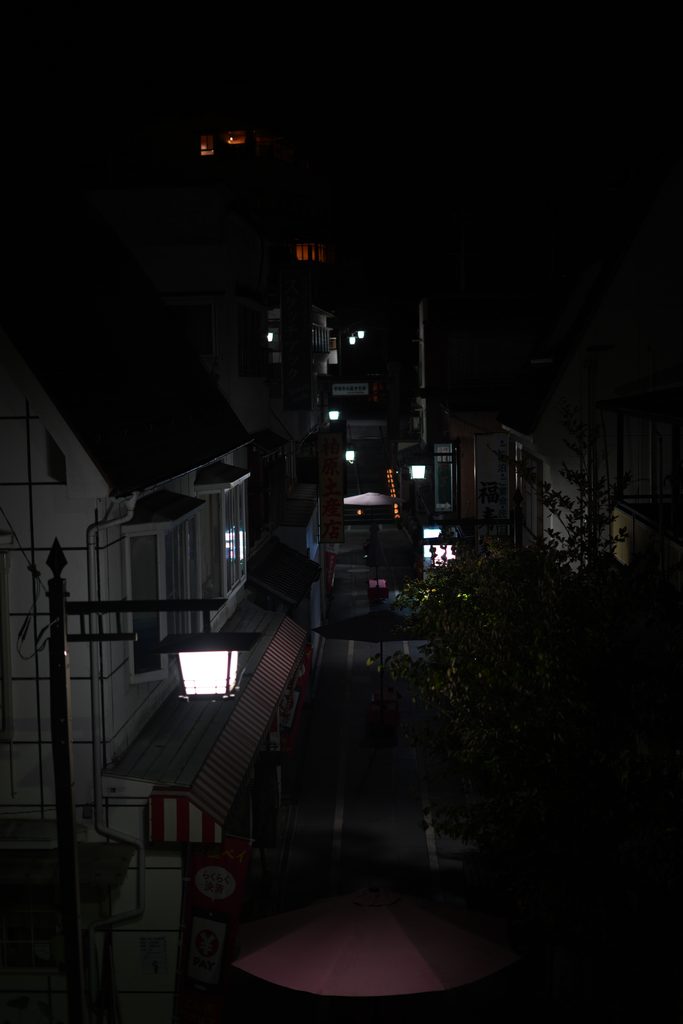
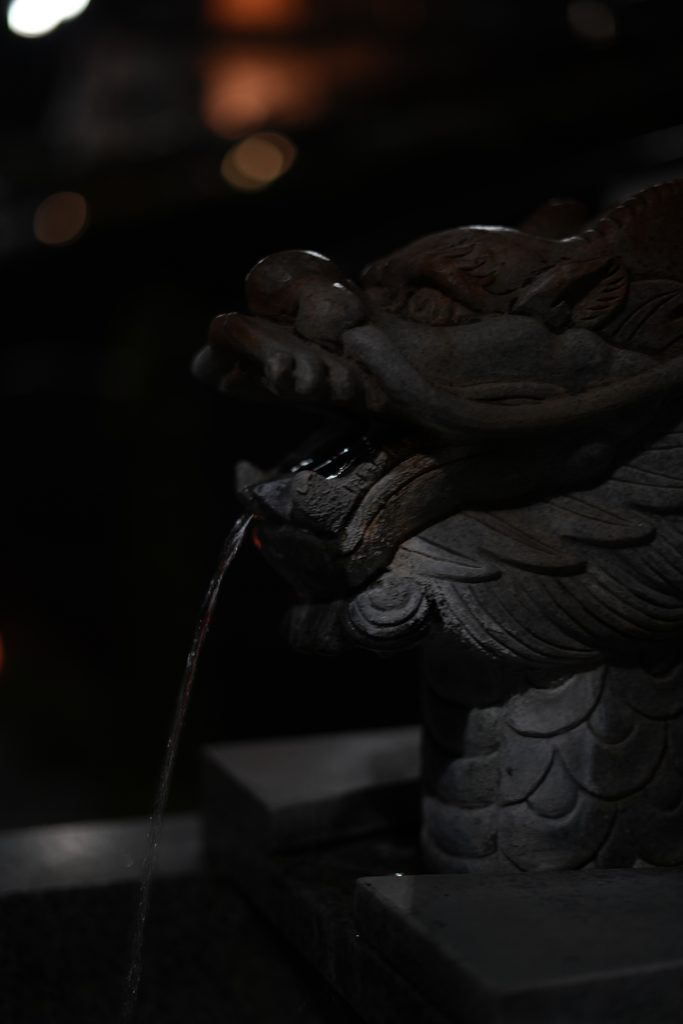
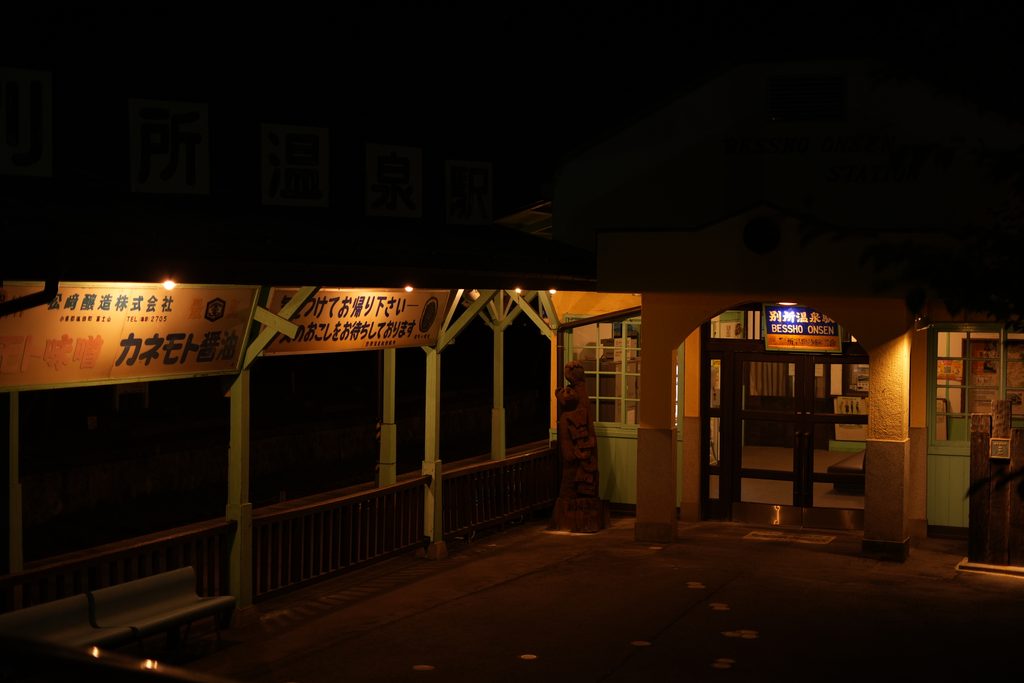
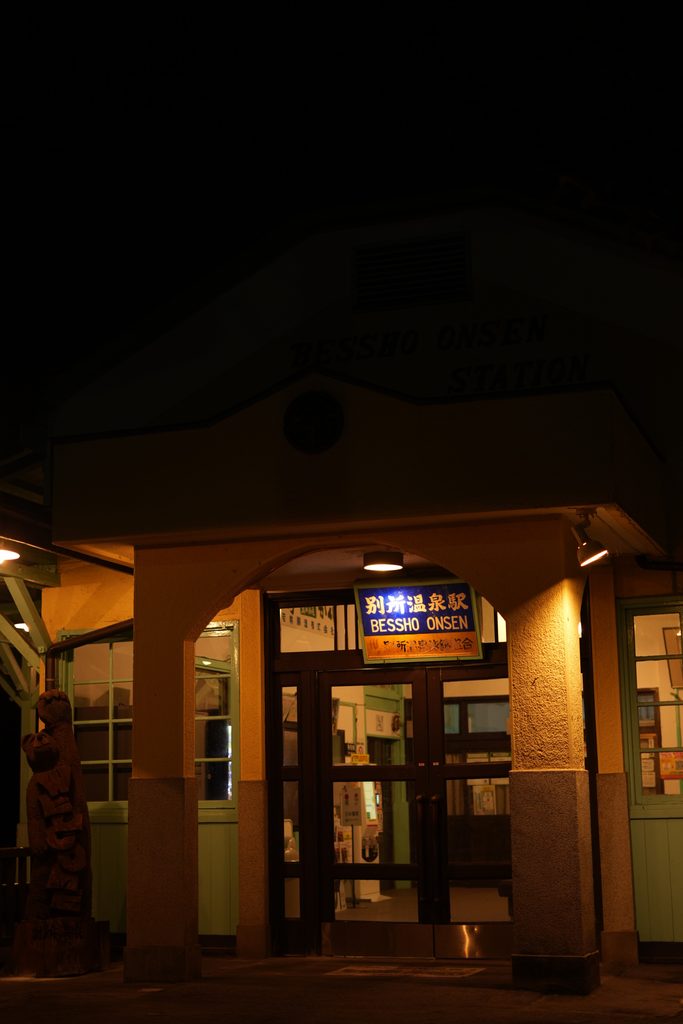
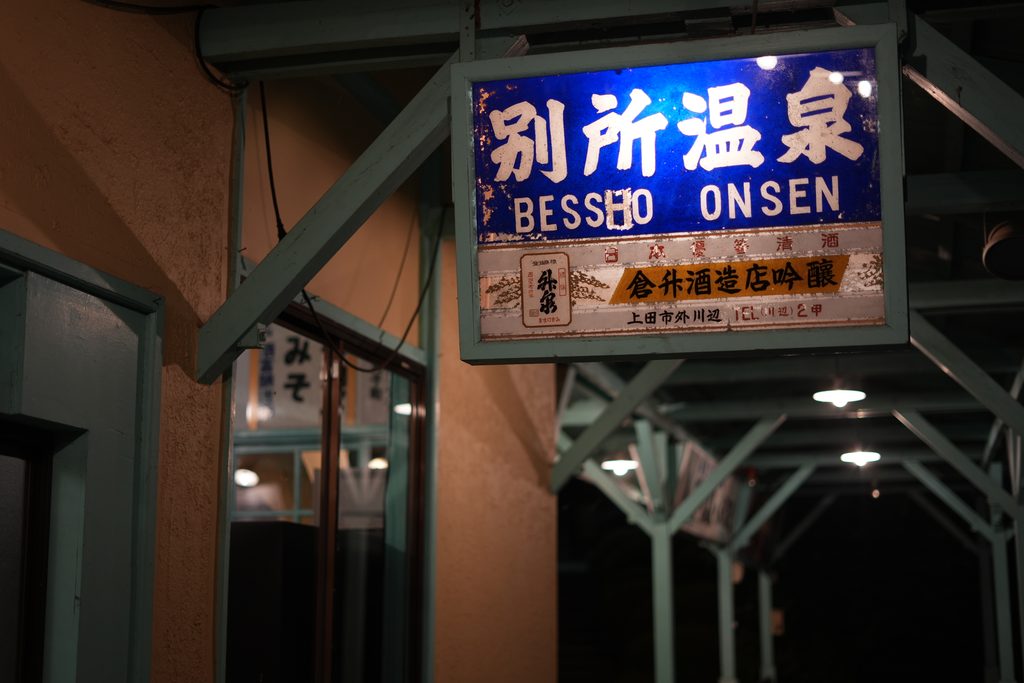
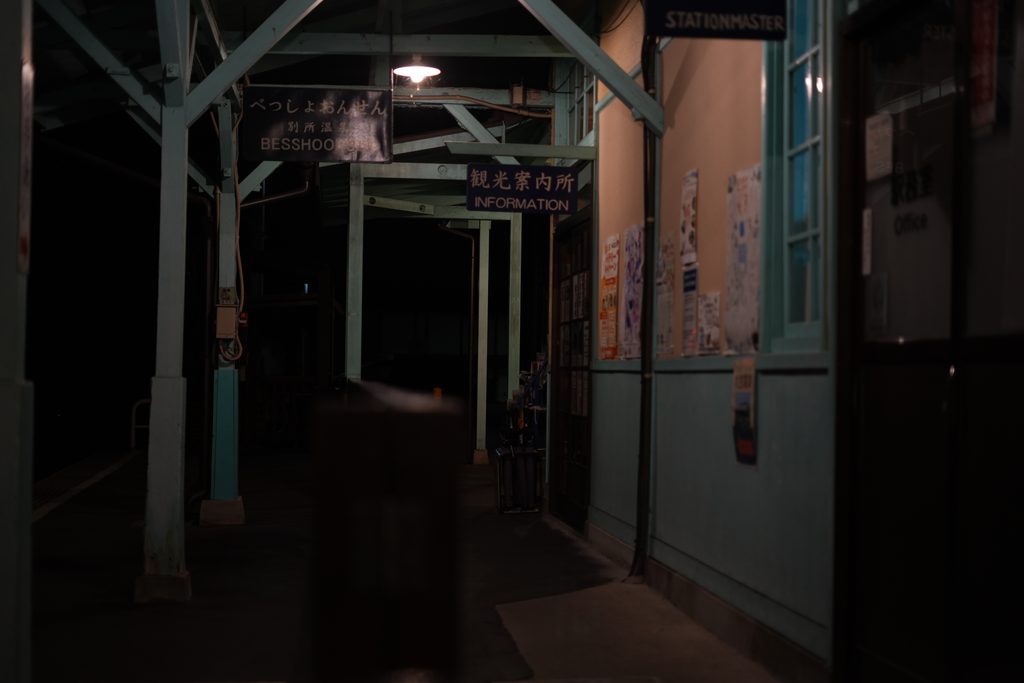
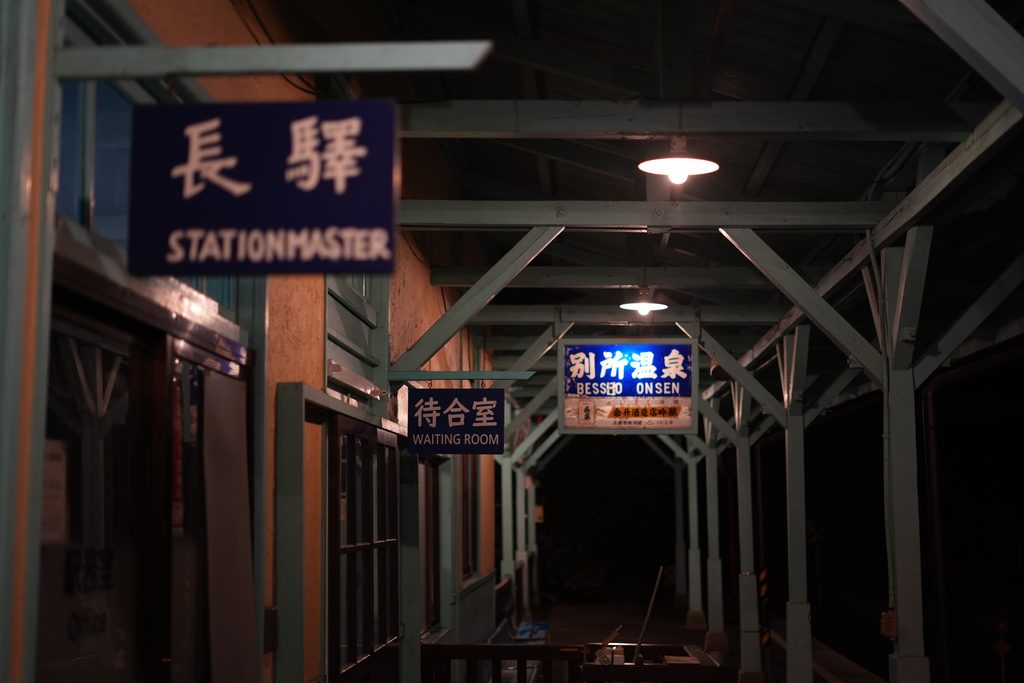
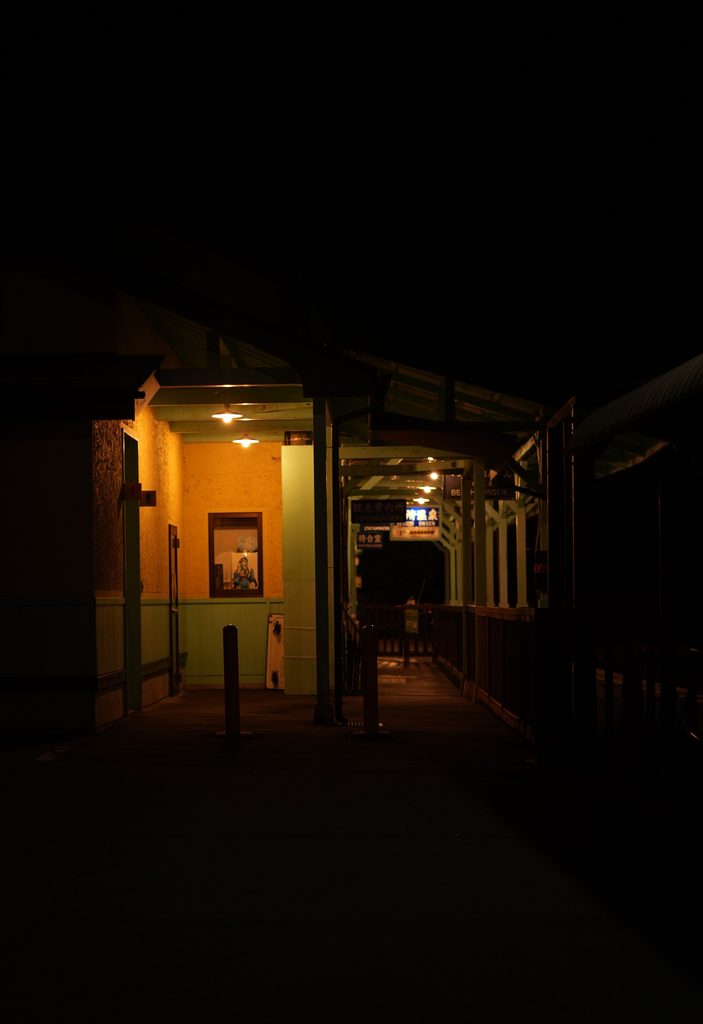
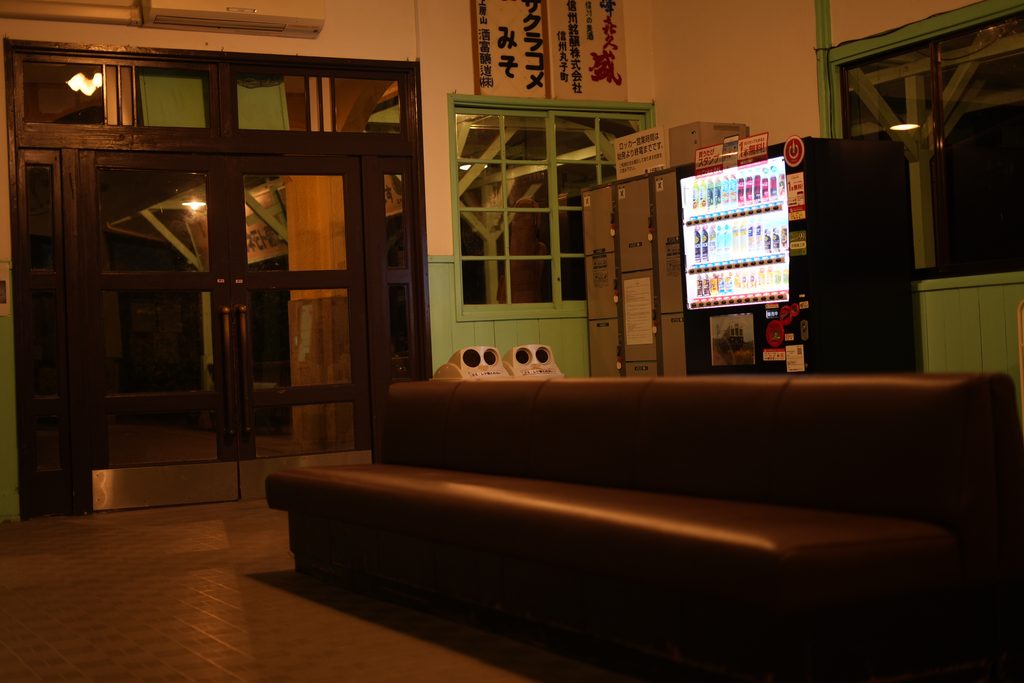
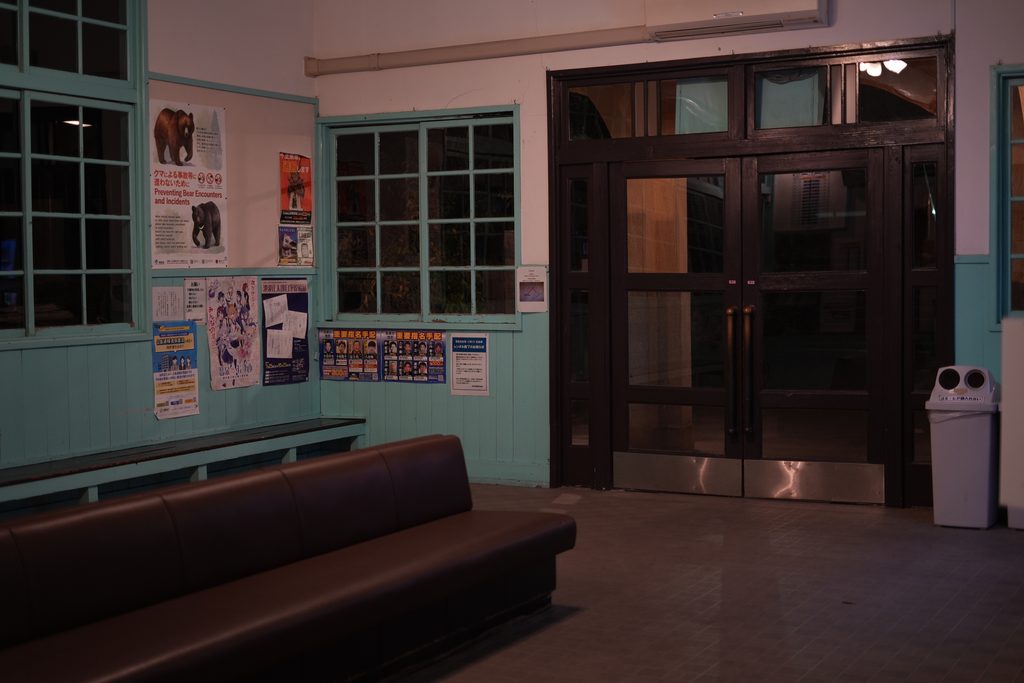
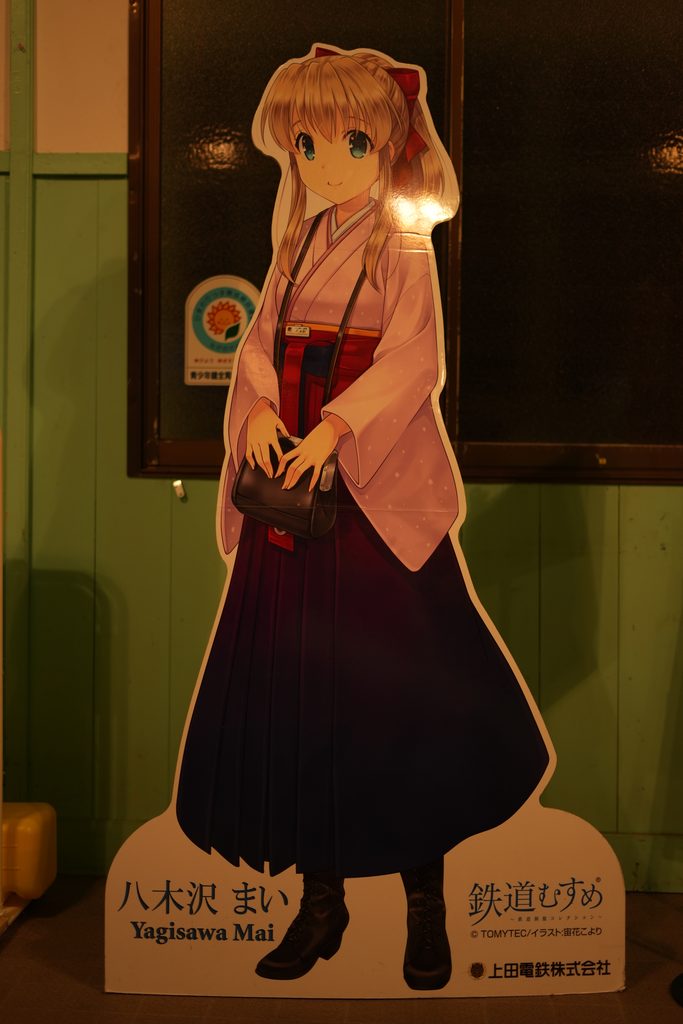
Here’s a little bonus for you: Bessho Station nearby! おまけに夜の別所駅もどうぞ